Brompton Road upholstery cleaning near South Kensington station
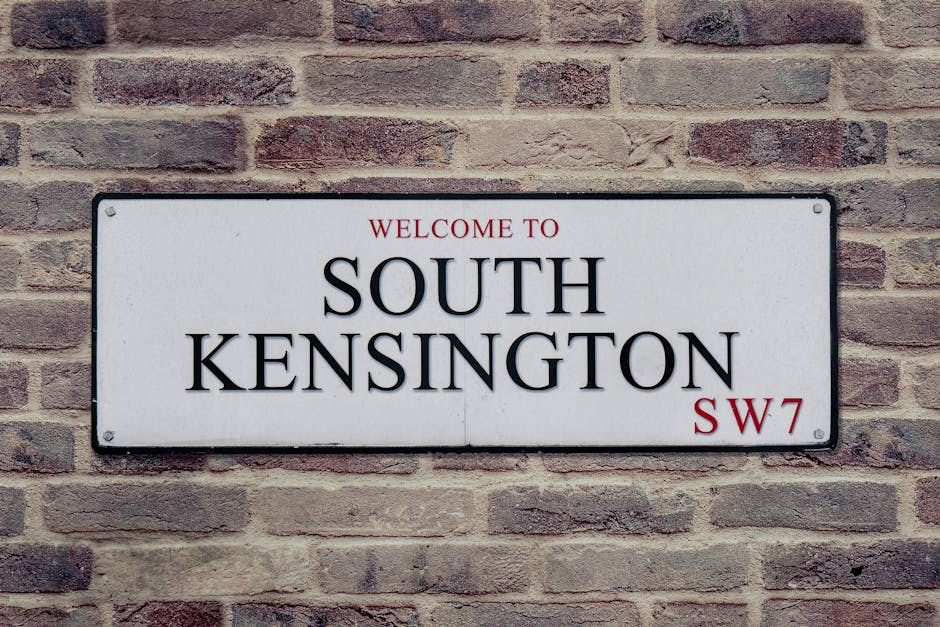
If your sofa is looking tired, a dining chair has picked up a mystery mark, or a favourite armchair near Brompton Road has started to smell a bit lived-in, you are in the right place. Brompton Road upholstery cleaning near South Kensington station is not just about making fabric look nicer. It is about protecting furniture, improving day-to-day comfort, and keeping homes and workplaces in one of London's busiest neighbourhoods feeling fresh. With heavy footfall, dust, food spills, pet hair, and the general pace of city life, upholstery can age quickly. The good news? A sensible, properly planned clean can make a noticeable difference without turning the process into a headache.
This guide walks through what upholstery cleaning involves, how it works near South Kensington station, what benefits to expect, and how to choose the right approach for different fabrics and situations. We will also cover common mistakes, practical checks, and a few small realities that people only learn after dealing with a stubborn stain at 8:30 on a Monday morning. Not ideal, but fixable.
Why Brompton Road upholstery cleaning near South Kensington station Matters
Upholstery does more than fill a room. It gets used constantly, and it absorbs more than most people realise. Skin oils, dust, drink spills, crumbs, pet dander, and everyday friction all settle into fabric or fibres over time. On Brompton Road, where properties may include busy family homes, short-let flats, professional offices, hospitality seating, and elegant period interiors, that wear often shows up faster than expected.
The local setting matters too. Near South Kensington station, you get a mix of commuter traffic, visitor movement, and street-level dust that can be tracked indoors. Open windows in spring, damp coats in winter, takeaway coffees, and the occasional over-enthusiastic red wine pour all play their part. Truth be told, fabric rarely stays pristine on its own.
Good upholstery cleaning is valuable because it does three things at once:
- improves appearance by lifting marks, dullness, and surface grime;
- supports a fresher indoor environment by removing trapped debris and odour sources;
- helps furniture last longer by reducing abrasive dirt and residue in the fibres.
For many people, the real issue is not just a visible stain. It is that the whole sofa looks flat, the chair feels slightly sticky, or the room no longer feels as welcoming as it should. That is often the point where proper cleaning becomes less of a luxury and more of a sensible maintenance step.
If you are already comparing services, it may help to understand the wider cleaning options available on the same website, including sofa cleaning, stain removal, and pet stain and odour removal. Those services often overlap in practice, especially when one piece of furniture has several issues at once.
How Brompton Road upholstery cleaning near South Kensington station Works
Most professional upholstery cleaning follows a careful sequence rather than one single dramatic treatment. That is important, because different fabrics react differently to moisture, agitation, heat, and cleaning agents. A decent cleaner will not just spray and hope for the best. That would be, frankly, a bit reckless.
The process usually starts with inspection. The cleaner identifies the fabric type, checks the construction of the item, and looks for wear, stitching issues, dyes that may run, and stains that need special attention. This step matters because velvet, wool blends, synthetics, and delicate natural fibres can all behave differently. A fabric-coded label, if present, is a useful guide, but it is not the whole story.
Next comes dry soil removal. Loose dust, grit, pet hair, and crumbs are lifted away before moisture is used. This is one of the most overlooked steps, yet it has a big impact. If gritty debris stays in the fabric, cleaning can smear it around rather than remove it.
Then the cleaner applies a suitable solution, usually in a measured way. Some fabrics need low-moisture cleaning. Others can handle deeper extraction. Spot treatment may be used for specific stains, such as drink spills, food marks, or the sort of accidental smudges that appear when life is happening at full speed.
After agitation or dwell time, the cleaning stage begins. Depending on the method, this may involve hot water extraction, low-moisture cleaning, or targeted hand cleaning. The key is control. More water is not automatically better, and more chemical is definitely not better. Over-wetting can lead to long drying times, tide marks, or even damage to the fabric backing.
Finally, the item is groomed and left to dry properly. Good airflow helps. A chair that feels slightly damp for a few hours is normal in many cases; a sofa that still feels wet the next day is not. If that happens, something has gone wrong or the fabric is unusually absorbent.
For readers who want a broader service overview, the page on upholstery cleaning is a useful companion, and the related steam carpet cleaning page helps explain how fabric care can differ between soft furnishings and floor textiles.
Key Benefits and Practical Advantages
People usually call for upholstery cleaning because something looks dirty. Fair enough. But the practical benefits go beyond appearance.
Cleaner-looking rooms without replacing furniture
Upholstery often makes a room look older than it really is. A sofa with a couple of fresh-looking seat cushions can still drag the whole room down if the arms are grey with dust or the back cushions are patchy. Cleaning gives the room a reset. It is often much cheaper than buying a replacement, and sometimes the improvement is surprisingly dramatic.
Improved comfort
There is a tactile difference after a proper clean. Fabrics can feel softer, fresher, and less greasy. You notice it when you sit down in the evening, especially if the furniture gets used heavily. Small thing, maybe, but it changes how a room feels.
Odour reduction
Fabrics hold smells. Cooking, pets, smoke, damp, and general everyday living all leave traces. Cleaning can reduce those lingering odours, particularly when the source is embedded in fibres rather than just sitting on the surface.
Better hygiene
While upholstery cleaning is not a medical treatment, it can reduce the build-up of dust, allergens, and debris trapped in the fabric. That matters for households with pets, children, or anyone who simply prefers a cleaner indoor environment.
Longer furniture life
Embedded dirt acts a bit like fine sandpaper. Over time it can contribute to visible wear, dullness, and fibre damage. Regular cleaning helps preserve the look and structure of the piece.
More confidence in hosting clients or guests
For local businesses, waiting areas, serviced apartments, boutique offices, and hospitality spaces near South Kensington station, presentation matters. Clean seating sends the right signal without needing a long explanation.
Expert takeaway: The best upholstery clean is the one that restores the fabric without stressing it. Gentle, fabric-appropriate work usually wins out over aggressive methods, especially on delicate or expensive items.
Who This Is For and When It Makes Sense
Upholstery cleaning is not only for visibly dirty sofas. It makes sense in a surprisingly wide range of situations.
- Homeowners and tenants who want a fresher living room before guests arrive, after a move, or at the end of a tenancy.
- Families dealing with snack crumbs, sticky handprints, and the occasional pen mark that somehow appeared in less than five seconds.
- Pet owners who need help with hair, odour, or small accidents that have soaked deeper than expected.
- Landlords and letting agents who want to keep furnished properties presentable between occupancies.
- Offices and reception areas where seating sees constant use and needs to look respectable.
- Hospitality and short-let hosts who need quick turnarounds and consistent presentation.
- Anyone with a beloved item that is structurally fine but visually tired.
It is usually worth booking a clean when you notice one or more of these signs:
- a dull or patchy appearance even after vacuuming;
- noticeable odour after everyday use;
- visible spills, marks, or darkened armrests;
- pet hair becoming difficult to remove;
- fabric that feels sticky, flattened, or rough;
- you are preparing for sale, letting, or a special event.
If the item is fragile, antique, or made from a delicate textile, the job needs more caution. In those cases, a lighter cleaning approach and a proper pre-test are essential. No one wants a clean sofa and a damaged dye job. That would be a very expensive lesson.
Step-by-Step Guidance
Here is a practical way to think about the process from start to finish.
- Identify the item and the problem. Is it a sofa, armchair, dining chair, headboard, or office seat? Is the concern stain, odour, dullness, or all three?
- Check the fabric if possible. Look for manufacturer care labels or any notes about cleaning restrictions. If you cannot find one, that does not stop cleaning, but it does make inspection more important.
- Vacuum thoroughly. Remove loose dust and debris from seams, buttons, under cushions, and stitching lines.
- Pre-test a hidden area. Any sensible cleaner should do this before using a solution widely across the fabric.
- Treat stains individually. Different marks need different approaches. Oil, coffee, body oils, and pet accidents are not the same problem.
- Choose the correct method. Hot water extraction, low-moisture cleaning, or careful hand cleaning may be appropriate depending on the material.
- Allow suitable drying time. Use ventilation, avoid sitting on the item too soon, and keep pets away until the fabric is ready.
- Review the result honestly. Some marks fade dramatically, some lighten, and some may remain faintly visible if they have chemically altered the fibres. That is normal and worth understanding up front.
A small real-world example: if a cream chair near Brompton Road has picked up a coffee ring and a bit of armrest greying, the best result often comes from a combined approach. First remove dry soil, then treat the ring, then clean the whole seat area so the finish looks even. Cleaning only the stain can leave a brighter patch around it. Not ideal.
Expert Tips for Better Results
A few habits make a big difference.
- Act early on spills. The longer a stain sits, the more likely it is to set into the fibres.
- Blot, do not rub. Rubbing pushes the spill deeper and can distort the pile or weave.
- Use the right drying conditions. Open windows where sensible, but avoid blasting heat straight onto the fabric.
- Test everything first. Hidden areas exist for a reason. Use them.
- Rotate cushions where possible. Even wear makes furniture age more gracefully.
- Vacuum regularly. This sounds obvious, but it really is one of the best defences against premature dullness.
- Be honest about the fabric. Delicate materials need gentler treatment. A stronger clean is not automatically a better clean.
One useful habit near busy London streets is to keep a soft brush or upholstery attachment handy for weekly maintenance. It takes minutes, and it prevents that annoying build-up where the fabric looks fine from across the room but somehow not fine at all when you sit down.
If you are comparing related fabric care services, the pages on curtain cleaning and rug cleaning are useful because the same principle applies: different materials need different handling, and the finish matters as much as the clean itself.
Common Mistakes to Avoid
Some cleaning problems are self-inflicted. Not in a dramatic way, just in the very human way of trying to fix something quickly and making it worse.
- Using too much water. This can cause long drying times, water marks, and fabric distortion.
- Scrubbing aggressively. That can damage fibres or spread staining.
- Using one cleaner for every stain. A one-size-fits-all approach often disappoints.
- Ignoring fibre type. Velvet, linen, wool, and synthetic blends do not all respond the same way.
- Leaving cushions to dry in a pile. Airflow matters. If cushions are stacked, moisture lingers.
- Forgetting hidden zones. The back, under-seat edges, and piping often hold the worst build-up.
- Assuming a stain is permanent too early. Some marks that look fixed at first can still respond to proper treatment.
A smaller but common mistake is to clean only the obviously dirty area and ignore the rest. That can leave a patchy result. Sometimes the whole panel needs attention so the colour and texture remain even. A little restraint goes a long way.
Tools, Resources and Recommendations
You do not need a full professional setup to maintain upholstery between cleans, but a few simple tools help a lot.
- Upholstery vacuum attachment for seams, corners, and under cushions.
- Soft brush for lifting surface dust and pet hair.
- Clean white cloths for blotting spills without dye transfer.
- Spray bottle for applying small amounts of suitable solution carefully.
- Fan or good ventilation to support drying after cleaning.
For a broader service overview, the site also covers carpet cleaning, which is useful if the floor coverings and furniture both need attention in the same visit. That is often the case in real homes and offices, especially after winter.
If the upholstery problem includes deep staining, the dedicated stain removal service is worth considering. And if the piece is part of a wider home refresh, pairing sofa treatment with curtain cleaning can create a more complete result, particularly in rooms where dust settles quickly.
For quote, payment, and trust-related information, the pages on pricing and quotes, payment and security, and insurance and safety are useful to review before booking. It is always better to know what to expect than to guess.
Law, Compliance, Standards, or Best Practice
For domestic upholstery cleaning, there is usually no complicated legal issue at the point of cleaning itself. Still, best practice matters, especially in London properties where landlords, agents, and businesses need to be careful with safety, access, and customer care.
A professional service should be clear about:
- how it handles fabric inspection and pre-testing;
- what happens if a material is unsuitable for a certain method;
- how equipment and cleaning agents are used safely;
- what drying expectations are realistic;
- how complaints or concerns are handled if the result is not as expected.
For rented homes and managed properties, it is sensible to keep records of cleaning work and any fabric issues found before treatment. That is simply good practice. For commercial spaces, safety awareness is even more important because the furniture may be used by staff, visitors, or customers throughout the day.
Where environmental care matters, it is also worth asking how waste water, product usage, and material choices are managed. The site's recycling and sustainability page gives a useful sense of the values behind responsible service delivery. Small detail? Maybe. But the small details are often what make a service feel properly considered.
The pages on health and safety policy, terms and conditions, and privacy policy are also sensible reading if you want to understand what a reputable provider should make clear before work begins.
Options, Methods, or Comparison Table
Not every upholstery item needs the same method. Choosing well matters more than choosing the most dramatic-sounding option.
| Method | Best for | Advantages | Watch-outs |
|---|---|---|---|
| Hot water extraction | Synthetic fabrics and durable upholstery | Deep cleaning, strong soil removal, useful for embedded grime | Can over-wet delicate fabrics if misused |
| Low-moisture cleaning | Sofas, chairs, and items that need quicker drying | Faster turnaround, gentler for some materials | May be less effective on very deep staining |
| Hand cleaning / spot treatment | Delicate fabrics, targeted stains, smaller items | Controlled, precise, fabric-aware | Labour-intensive; not ideal for widespread soiling alone |
| Dry soil removal plus light refresh | Maintenance cleans and lightly soiled furniture | Good for upkeep and appearance | Not enough for heavy staining or strong odours |
In practice, good upholstery cleaning near South Kensington station often combines methods. A sofa might need dry vacuuming, targeted stain treatment, and then a measured deep clean on the full seating area. That flexible approach is usually better than trying to force one method onto every job.
Case Study or Real-World Example
Here is a realistic example from the kind of job people request locally.
A furnished flat off Brompton Road had a pale three-seater sofa that looked fine in the morning light but rather less impressive by evening. There was a faint food spill on one cushion, general greying on the arms, and a mild odour from regular use. The owner had already tried a supermarket spray and a cloth, which helped the spill a little but left a brighter ring. Classic story.
The cleaner started with fabric inspection and a test patch. Dry soil was removed first, especially along the seams and between cushions. The food mark was treated separately, then the full seating area was cleaned to even out the appearance. The arms, which had the most visible grime, needed extra attention. Afterward, the sofa was left to dry with sensible airflow and no one sat on it for a while, which is always the hardest part if you have just made the room look lovely again.
The result was not a magic transformation into a brand-new sofa. That would be unrealistic. But the fabric looked brighter, the odour was reduced, and the room felt properly cared for again. That is usually what people want: not perfection, just a meaningful reset.
Practical Checklist
Use this quick checklist before arranging Brompton Road upholstery cleaning near South Kensington station.
- Identify the item and note the main issue: stain, odour, dullness, or wear.
- Check for any visible care label or fabric information.
- Remove loose items, cushions where practical, and anything stored around the furniture.
- Vacuum the upholstery carefully, including seams and edges.
- Make a note of stains, pet-related issues, and any weak or damaged areas.
- Ask what cleaning method is suitable for the fabric.
- Confirm drying expectations before the work starts.
- Review related options if carpets, rugs, or curtains also need attention.
- Read the provider's service, safety, and pricing information before booking.
- Plan a window of time when the furniture can dry without interruption.
If you like a tidy process, this is the part to save mentally. It prevents rushed decisions and helps the clean go much more smoothly. Simple, but effective.
Conclusion
Brompton Road upholstery cleaning near South Kensington station is best approached as practical maintenance with visible rewards. The right clean can refresh the room, extend the life of furniture, and remove the dull, lived-in look that accumulates quietly over time. It is especially worthwhile in a busy local area where dust, commuter traffic, pets, and everyday use all take a toll on fabric surfaces.
What matters most is choosing a method that suits the material, treating stains carefully, and allowing proper drying. That combination usually gives the best balance of appearance, comfort, and durability. If you are dealing with a cherished sofa, a guest chair that has seen better days, or a full room refresh, a measured approach will serve you well. No drama needed.
Get a free quote today and see how much you can save.
And if the furniture is one of those pieces that has been with you through a lot, a good clean can feel oddly satisfying. A small reset, but a real one. Sometimes that is exactly what a room needs.
Frequently Asked Questions
What does upholstery cleaning usually include?
It usually includes inspection, dry soil removal, stain treatment, a fabric-appropriate clean, and drying guidance. Some jobs are straightforward; others need careful spot work first.
How often should upholstery be cleaned?
That depends on use. A lightly used chair may only need occasional cleaning, while a family sofa or office seating area may need attention more regularly. Heavy use always shortens the interval.
Can all fabrics be steam cleaned?
No, not safely. Some fabrics can handle moisture and heat well, while others need low-moisture or hand cleaning. Fabric type and care instructions should guide the method.
Will upholstery cleaning remove all stains?
Not always. Many stains improve significantly, but some marks chemically alter the fibres or have been left too long. A good cleaner will be upfront about what is realistic.
How long does upholstery take to dry?
Drying time varies based on fabric, room ventilation, and cleaning method. Some pieces dry fairly quickly, while thicker upholstery can take longer. Good airflow helps a lot.
Is upholstery cleaning worth it for an older sofa?
Often, yes. If the sofa is structurally sound, a clean can make it look and feel much better. If the frame or fabric is badly worn, cleaning may still help, but it will not solve structural damage.
What should I do before the cleaner arrives?
Clear the area, vacuum if possible, identify visible stains, and mention any concerns about fabric sensitivity. A bit of prep usually leads to a smoother visit.
Can pet odours be removed from upholstery?
Often they can be reduced substantially, especially if the source has not fully penetrated the padding. The page on pet stain and odour removal is useful if that is your main issue.
Is upholstery cleaning suitable for commercial spaces near South Kensington station?
Yes. Offices, receptions, waiting areas, and hospitality spaces often benefit from regular upholstery maintenance because first impressions matter and usage is constant.
How do I know which cleaning method is safest?
A proper inspection is the key. Fabric type, staining, dye stability, and dryness requirements should all be considered before choosing a method. If in doubt, a more cautious approach is usually wiser.
Do I need to move the furniture myself?
Usually small items and surrounding clutter should be moved, but heavier furniture often stays in place. It is best to confirm this in advance so there are no surprises on the day.
Where can I find service and trust information before booking?
Useful pages include about us, insurance and safety, and complaints procedure. They help you understand how the service is run and what standards to expect.